
OppoGPT
A Democratic SuperPAC Harnesses Artificial Intelligence for the Midterms

After Ronald Reagan’s landslide reelection win in 1984, the New York Times reported about the Republican National Committee’s oppo research unit, in an article headlined: SECRET REAGAN WEAPON IN RACE: COMPUTER.
“What we really did was take a pre- Christian Roman art called political research and add the critical new element of high technology,” said Mike Bayer, who ran the RNC oppo research unit.
Let me describe the “high technology” involved.
The oppo research unit at the Republican National Committee included nearly 30 staffers who dutifully read newspaper articles, talk show transcripts, Congressional Record speeches and other documents; drew boxes around key sentences or paragraphs; and assigned to each text box a series of letters and numbers - an internal code.
These codes, for example, noted whether the text was a verbatim quotation, an “attack” by or upon a candidate, or a reporter’s description of a candidate’s position or statement. The codes also described the subject matter at various levels of detail. One code might include everything about agricultural policy. Add a few digits, and the code would describe it more specifically - milk price supports or tariffs, for example.
Each of the “read/coders,” as they were called, kept a small binder on his/her desk, containing the complete list of codes. Another team of people then entered - manually - each text block, with source information (date, publication, etc.) and up to six codes per item.
This labor-intensive process paid off, allowing analysts (such as this writer) an efficient way to search the oppo files while writing a paper on any given topic. Because the database also enabled key word searches, the process also facilitated “rapid response” - which in 1984 was, shall we say, not very rapid.
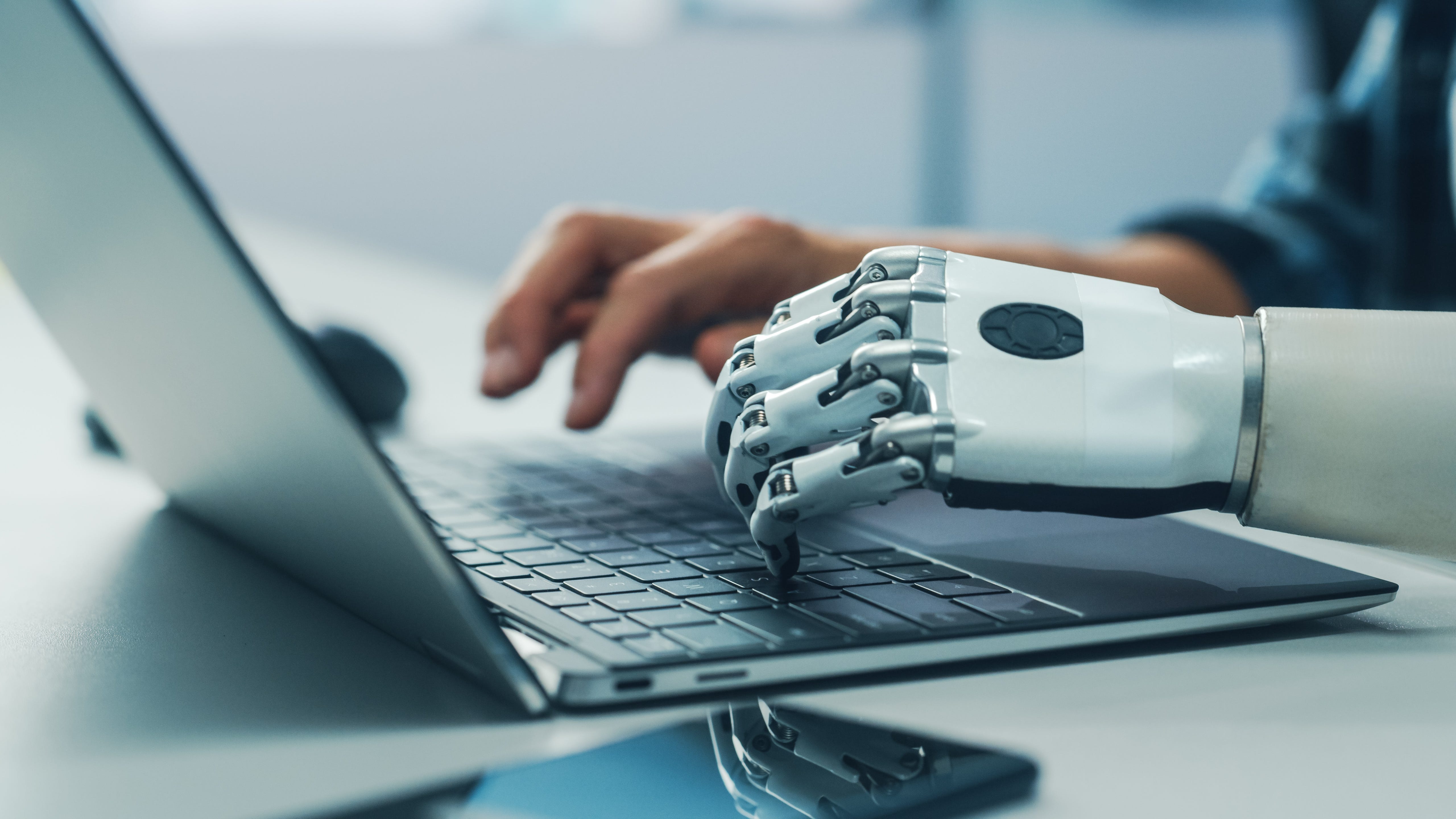
Today, surviving copies of the Book of Codes reside in the garages of former RNC employees. (My copy is at Stanford’s Hoover Institution.) In 2026, the “critical new element of high technology” is artificial intelligence.
Hitting the Books
Politico’s Jessica Piper reported this week about the oppo research SuperPAC American Bridge 21st Century and its new website, which they call “Research Books.” At first glance, it appears to be a compendium of oppo dumps on various candidates. (In 2020, American Bridge CEO Pat Dennis spoke about the oppo dump on Donald Trump for the Oppo File podcast.) The website includes oppo research on 15 GOP members of the House of Representatives; five GOP candidates for U.S. Senate; and 15 Republicans running for governor or attorney general in various states.
But this is more than a kitchen-sink oppo dump, Piper reports:
Pages for each candidate feature messaging around key votes, candidate-specific research and — in some races — videos from Democratic trackers and sample media based on the oppo that closely resemble campaign ads.
It also includes an AI-powered search tool that aims to bring together different sources about a candidate into cohesive messaging. (The AI agent only probes the super PAC’s internal database, not external sources or the wider internet.)
Results from the search link back to original sources, which include news articles, videos and public records. The tool also integrates with other external large language model platforms such as ChatGPT.
A subscriber can query the Research Books the same way one can pose questions to, say, ChatGPT, Google or Grok: “Give me five examples where [insert name of candidate] inflated his/her legislative accomplishments” or “Has [Candidate X] plagiarized from any former politicians?”
America Bridge has also made their oppo research available to ChatGPT and other leading AI platforms. That’s where things get interesting.
Last year, I wrote about the shortcomings of ChatGPT as a tool for researching Vivek Ramaswamy, a Republican candidate for president. The results were unimpressive. There was no mention of his spotty voting record in presidential elections or doing business in China — two oppo research hits that surfaced in the second GOP debate.
I submitted the same query this week to ChatGPT. Again, there was no mention of Ramaswamy’s voting record or China. But ChatGPT did provide a “tracker” memo that included “Potential Ad Lines (Non-Defamatory and Fact-Based)” about Ramaswamy’s business ventures:
“Promised biopharma breakthroughs that never materialized” — referencing Axovant’s high-profile clinical failure.
“Financial engineering over patient outcomes” — noting speculative SPAC valuation and short lifespan of lead assets.
“Sold millions in biotech stock while patients waited” — grounded in stock sale disclosures.
“Risk-first approach without a track record of FDA success” — highlighting multiple abandoned drug candidates.
Is American Bridge 21st Century content feeding ChatGPT and other AI platforms? Hard to tell. There’s nothing in American Bridge’s new website about Ohio, where former GOP presidential candidate Vivek Ramaswamy is running for governor.
At least not yet.
Next up: How Republican oppo researchers are deploying AI.
Oppo Research in the News…
Working Families Party PAC released a new website containing oppo research on Sen. John Fetterman (D-Penn.), whose election is three years away.
Oppo-researcher-turned-cannabis-dispensary-owner Lonnie Affrime is running for Congress.
The transition committee for New York Mayor Zohran Mamdani paid an oppo research firm $25,000 to help vet appointees to various city positions.
This article comes at the perfect time, with everyone discussing modern AI! It's wild to think what was considered 'high tech' back then. As a huge booklover, this totally reminds me of trying to manually sort my own library, but for political data! Super insightful to see the origins of today's automated systems.